

Critical Safety Guide: Protect Yourself from Preventable Falls and Injuries
⚠️ ALARMING STATISTICS: Every year in the United States:
• 500,000+ people are treated in emergency rooms for ladder-related injuries
• 300 people die from ladder falls
• 97% of ladder accidents happen at home or on farms
• Average hospital stay: 10 days | Average recovery: 3-6 months | Average cost: $11,000-$50,000
Ladder accidents are devastatingly common - and almost entirely preventable. Whether you're a homeowner cleaning gutters, a contractor on a job site, or someone changing a light bulb, understanding the most common causes of ladder accidents can literally save your life.
This comprehensive guide breaks down the 3 most frequent ladder accidents, explains exactly why they happen, and provides actionable prevention strategies. More importantly, we'll show you when you don't need a ladder at all - and how safer alternatives like Extend-A-Reach telescoping poles eliminate the risk entirely.
Accident #1: Losing Balance and Falling Sideways
The Scenario:
You're halfway up the ladder, reaching slightly to the left for that last section of gutter. You lean just a bit more... and suddenly the ladder shifts. Your center of gravity moves beyond the ladder's base, and physics takes over. You and the ladder fall sideways in a terrifying arc.
Why It Happens:
-
Overreaching to avoid repositioning the ladder
-
Poor weight distribution while carrying tools
-
Inadequate ladder stabilization
-
Working near the top of the ladder where balance is most precarious
✓ SAFER ALTERNATIVE: Extend-A-Reach telescoping poles eliminate this risk entirely. Walk along the ground while your tool works above - no leaning, no balancing, no falling.
Accident #2: Ladder Base Slipping Outward
The Scenario:
You're three-quarters up when you feel it - a sickening slide. The ladder's feet lose traction and kick out from the wall. In milliseconds, the top of the ladder scrapes down the wall as the base shoots outward, and you're in freefall.
Why It Happens:
-
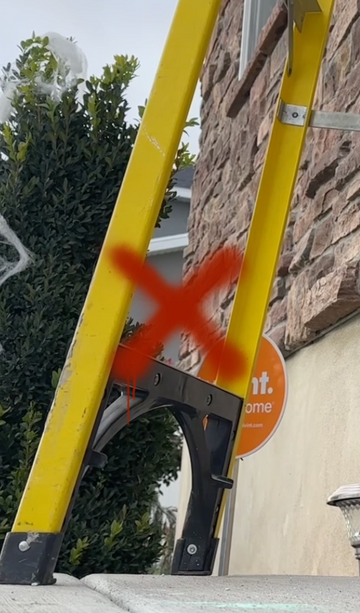
Ladder positioned at too steep an angle (violates 4-to-1 rule)
-
Slippery ground surface (wet grass, ice, mud, loose gravel)
-
Worn or damaged ladder feet
-
Dynamic load shifts when climbing or working
✓ SAFER ALTERNATIVE: With Extend-A-Reach, you work from stable ground. No angle calculations, no slipping base, no physics working against you.
Accident #3: Stepping on the Top Rungs
The Scenario:
You need just two more inches of reach. The top three rungs have warning labels, but you've done this before. You step up onto the second-to-last rung. The ladder, now top-heavy and unstable, tips backward. Or worse, you lose your balance with nothing above to grab.
Why It Happens:
-
Impatience - not wanting to get a taller ladder
-
Incorrect ladder length selection
-
Ignoring warning labels and safety markings
-
Nothing to hold onto at the top - unstable standing position
WARNING: Standing on the top three rungs is the #1 cause of fatal ladder falls. These warning labels exist for a reason - they're written in the blood of previous accidents.
The Ultimate Prevention: Eliminate the Ladder
After reading about these 10 common accidents, a pattern emerges: almost all of them involve being elevated off the ground. The common denominator isn't carelessness—it's climbing.
What if you could eliminate the climb entirely?
Extend-A-Reach: The Ground-Level Solution
Extend-A-Reach telescoping poles represent a fundamental shift in how we approach high-reach tasks. Instead of bringing yourself to the work, you bring your tools to the work - while staying safely on the ground.
Tasks You Can Do WITHOUT a Ladder:
-
Window washing up to 30 feet high
-
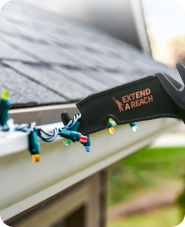
Gutter cleaning from ground level
-
Exterior painting and siding maintenance
-
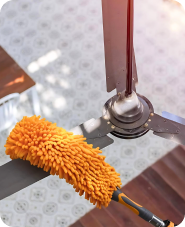
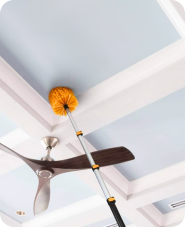
Ceiling fan dusting and cobweb removal
-
Light fixture cleaning and bulb changes
-
Pressure washing second-story surfaces
Safety Benefits:
-
Zero fall risk - Your feet stay planted on stable ground
-
No electrocution danger - Work near power lines safely
-
No balance required - Stand normally, walk freely
-
Less fatigue - No climbing means longer productive work
-
Safe for all ages - Seniors and those with mobility issues can use safely
Why Professionals Trust Extend-A-Reach
Pest control technicians, window cleaners, painters, and maintenance crews have discovered that Extend-A-Reach poles aren't just safer - they're faster. No setup time, no repositioning every few feet, no constant climbing up and down.
-
Professional-grade aluminum construction - Extra-thick, won't bend or wobble
-
Quick-release thumb lever clasps - Easy height adjustment
-
Non-slip padded grips - Comfortable for extended use
-
Universal ACME threading - Works with tools you already own
-
3-year warranty - Built to last, backed by confidence
Frequently Asked Questions About Ladder Safety
What percentage of ladder accidents are preventable?
Studies show that 90-95% of ladder accidents are completely preventable through proper setup, correct usage, appropriate equipment selection, and adherence to safety protocols. The vast majority of injuries result from known hazards that were either ignored or unknown to the user.
Are homeowners or professionals more likely to have ladder accidents?
Homeowners account for approximately 97% of ladder-related emergency room visits. This is because professionals receive safety training, use ladders daily (building expertise), and often have better equipment. Homeowners typically use ladders infrequently, lack training, and may use improper or damaged equipment.
At what height do ladder falls become fatal?
Falls from as low as 6 feet can be fatal depending on how you land and what you strike. However, fatality rates increase dramatically above 10 feet. Falls from 20+ feet have a 50% fatality rate, while falls above 30 feet are often fatal. This is why eliminating the climb entirely with tools like Extend-A-Reach is so important.
How do I know if my ladder is too old to use?
Inspect for: cracks or bends in rails, loose or damaged rungs, worn feet, malfunctioning locks, rust or corrosion, UV damage (fading/brittleness), or any previous repairs. Most quality ladders last 10-15 years with proper care. If you see any structural damage, retire the ladder immediately. When in doubt, replace it - your life is worth more than a ladder's cost.
Conclusion: Your Safety is Non-Negotiable
Every one of these 10 accidents has happened to real people—people who thought they were being careful, people who had used ladders dozens of times before, people who left behind families, medical bills, and regrets.
The common thread? They all climbed when they didn't have to.
Before you reach for a ladder for your next project, ask yourself: Is there a safer way? For window washing, gutter cleaning, painting, dusting, and countless other tasks, the answer is yes. Extend-A-Reach telescoping poles keep you grounded while extending your reach up to 30 feet - eliminating fall risk entirely.
Your family wants you home safe. Your projects aren't worth a trip to the emergency room. Make the smart choice: work from the ground whenever possible.
Work Safer with Extend-A-Reach
Join thousands who've eliminated ladder accidents by working from the ground.


