


We’ve all been there. You’ve vacuumed the rugs, wiped the counters, and lit your favorite candle - yet the house still doesn't feel truly clean. There’s a lingering staleness, or maybe a stray cobweb dancing in the corner of your vaulted ceiling.
The truth? Your walls are acting like a giant "dust magnet."
Walls make up the largest surface area in your home, yet they are the most neglected. If you’re tired of the "perma-dust" vibe, it’s time to talk about the one tool that actually changes the game: the Extend-A-Reach Wall Duster.
The "Invisible" Problem: Why Dusting Walls Matters
Most people ask, "How do I make my house smell nice all the time?" They buy sprays and diffusers, but they’re just masking the scent. Dust is porous; it absorbs odors from cooking, pets, and everyday life.
When you use a high-quality wall duster, you aren't just cleaning a surface; you're literally pulling the "stink" out of the room. It’s the ultimate "pro-tip" for a fresh-smelling home.
Wall Duster vs. The Old Way
We’ve seen the "hacks." People trying to zip-tie a microfiber cloth to a broomstick or, worse, balancing on a shaky ladder with a feather duster.
-
Feather Dusters: They mostly just tickle the dust into the air so it can land on your sofa.
-
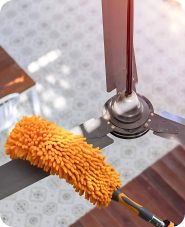
The Extend-A-Reach: This isn't just a brush; it’s a high-reach microfiber system. It uses static electricity to "grab and hold" everything from fine drywall dust to those stubborn "ghost" cobwebs in the rafters.

"Wait, How Do I Actually Clean My Walls?"
If you’re staring at your paint wondering where to start, you aren’t alone. Here is the lowdown on how the pros do it:
-
For the Pre-Paint Prep: If you’re asking how to clean dust off walls before painting, the answer is dry-dusting first. If you go straight in with a wet cloth, you’ll just create a muddy mess. Use the Extend-A-Reach to get a clear, grit-free surface.
-
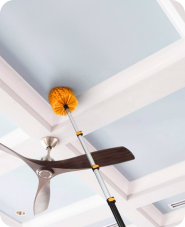
For the High Reach: Dealing with vaulted ceilings? Don't risk a fall. Our telescoping pole lets you reach the highest peaks while keeping both feet firmly on the rug.
-
For the "Deep Clean" Smell: To really deodorize, lightly mist the microfiber head with a mixture of water and a tiny bit of white vinegar. It’s the best thing to clean interior walls with for that "just moved in" freshness.

Let’s Clear the Air (FAQ)
What is the best tool to wash walls? Forget the mop. A flat-head microfiber wall duster with an extendable handle is the gold standard. It’s lightweight, covers more ground, and won’t leave drip marks on your baseboards.
What should you NOT use when washing walls? Stay away from abrasive sponges or "magic" erasers on glossy paint, as they can leave dull spots. Also, avoid heavy chemicals that can strip the finish.
What do professionals use to clean walls? Pro cleaners rely on "reach-and-trap" tools. They want to get in and out quickly without moving furniture. That’s why an extendable, pivoting duster is in every pro’s kit.
Level Up Your Cleaning Game
You don't need a professional cleaning crew to get a professional-level clean. You just need to stop ignoring your walls and give them the attention they deserve.
Your lungs (and your vaulted ceilings) will thank you.
Ready to see what your home looks like without the dust?


